Call:
 Send Inquiry
 Send Inquiry
Phosphoric Acid
Price 500.0 INR/ Metric Ton
MOQ : 20 Metric Tons
Phosphoric Acid Specification
- HS Code
- 28092010
- Storage
- Store in a cool, dry, and well-ventilated area
- Density
- 1.685 Gram per cubic centimeter(g/cm3)
- Smell
- Odorless
- Ph Level
- 1.5-2.5 (1% solution)
- Refractive Rate
- 1.433
- Other Names
- Orthophosphoric Acid
- Molecular Weight
- 98.00
- Purity
- 85%
- Shape
- Liquid
- Structural Formula
- H-O-P(=O)(OH)2
- Form
- Liquid
- Solubility
- Completely soluble in water
- Taste
- Sour
- Melting Point
- 42.35C
- Poisonous
- Yes
- Molecular Formula
- H3PO4
- Boiling point
- 158C
- Classification
- Inorganic Acids
- Chemical Name
- Phosphoric Acid
- CAS No
- 7664-38-2
- EINECS No
- 231-633-2
- Grade
- Technical Grade, Food Grade
- Standard
- Complies with Industrial and Food Standards
- Type
- Inorganic Acid
- Usage
- Industrial, Laboratory, Food Processing
- Main Material
- Phosphoric Acid
- Application
- Fertilizers, Food additive, Rust removal, Water treatment
- Non Toxic
- Yes
- Packaging
- Plastic drum, HDPE drum, IBC tank
- Stability
- Stable under normal storage conditions
- Precautionary Statement
- Wear protective gloves/eye protection/face protection
- Corrosivity
- Corrosive to metals and tissue
- Flash Point
- Non-flammable
- Appearance
- Colorless, transparent, syrupy liquid
- Hazard Statement
- Causes severe skin burns and eye damage
- Compatibility
- Compatible with most inorganic acids and bases
- Shelf Life
- 24 months from date of production (if properly stored)
Phosphoric Acid Trade Information
- Minimum Order Quantity
- 20 Metric Tons
- Supply Ability
- 1000 Metric Tons Per Month
- Delivery Time
- 7 Week
- Sample Available
- No
Phosphoric Acid About
Phosphoric acid also referred to as phosphoric(V) acid or orthophosphoric acid is one of the popular and most used acids. The chemical formula of phosphoric(V) acid is
As such, the raw form of this acid is extracted from phosphate rocks, whereas a more pure form is produced industrially from white phosphorus. Pure phosphoric acid is usually found in a crystalline solid-state and in a less concentrated form. Generally, it is a colourless, syrupy, odourless, and non-volatile liquid.
Phosphoric acid which is also a mineral acid is represented by the formula H3PO4 and it contains one atom of phosphorus, four atoms of oxygen and three atoms of hydrogen.
Versatile Industrial and Food Applications
Phosphoric Acid is widely employed in fertilizer production, industrial processes, food additives, rust removal, and water treatment. Its compatibility with most inorganic acids and bases makes it an essential ingredient in diverse chemical processes. Recognized for its high purity and compliance with international standards, it suits both technical and food-grade requirements.
Safe Handling and Storage
Due to its corrosive nature, Phosphoric Acid must be stored in a cool, dry, and well-ventilated space, using protective HDPE or plastic containers. The product is stable under standard conditions but requires stringent safety precautions to prevent burns or eye damage. Always use appropriate gloves and eye or face protection during handling.
FAQ's of Phosphoric Acid:
Q: How should Phosphoric Acid be handled safely during use?
A: Phosphoric Acid is corrosive and can cause severe skin burns and eye damage. Always wear protective gloves, safety glasses, and face protection when handling the product. Ensure proper ventilation and avoid any direct contact with skin or eyes.Q: What are the main industrial and food-related uses of Phosphoric Acid?
A: Phosphoric Acid is used in fertilizer production, as a food additive to acidify foods and beverages, for rust removal, and in water treatment processes. Its capacity to interact with metals and its solubility in water make it valuable across multiple sectors.Q: Where should Phosphoric Acid be stored to maintain its stability and shelf life?
A: Store Phosphoric Acid in a cool, dry, and well-ventilated area, away from incompatible materials and heat sources. Use only recommended packaging such as plastic drums, HDPE drums, or IBC tanks to ensure stable storage for up to 24 months.Q: When does Phosphoric Acid expire, and how can its shelf life be maximized?
A: Phosphoric Acid has a shelf life of 24 months from the date of production, provided it is stored in the proper conditions-sealed containers, away from direct sunlight, and in a dry and cool environment-to maintain product integrity.Q: How is Phosphoric Acid supplied and packaged for commercial use?
A: It is typically supplied in robust packaging options including plastic drums, HDPE drums, and IBC tanks. These ensure safe transportation and storage, minimizing the risk of leaks or contamination due to the product's corrosive nature.Q: What benefits does Phosphoric Acid offer in water treatment and food processing?
A: In water treatment, Phosphoric Acid helps control pH and remove impurities, while in food processing, it acts as a safe acidifying agent, enhancing flavor and shelf life of various products when used within regulated limits.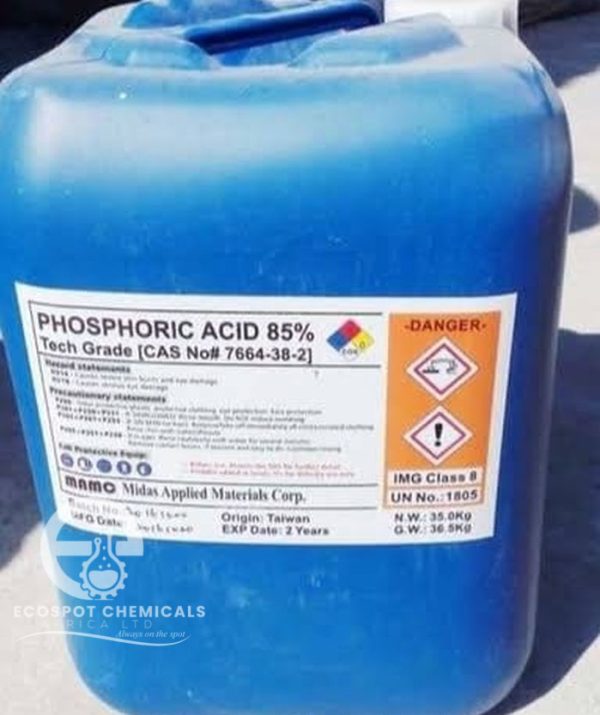
Tell us about your requirement

Price:
Quantity
Select Unit
- 50
- 100
- 200
- 250
- 500
- 1000+
Additional detail
Mobile number
Email

More Products in Industrial Chemical Category
formic acid
Price 500.0 INR / Ton
Minimum Order Quantity : 12 Tons
Form : Other, Colorless liquid
Solubility : Miscible with water, alcohol, ether, and glycerol
Grade : Industrial Grade
Storage : Other, Store in tightly closed containers, away from heat and sources of ignition
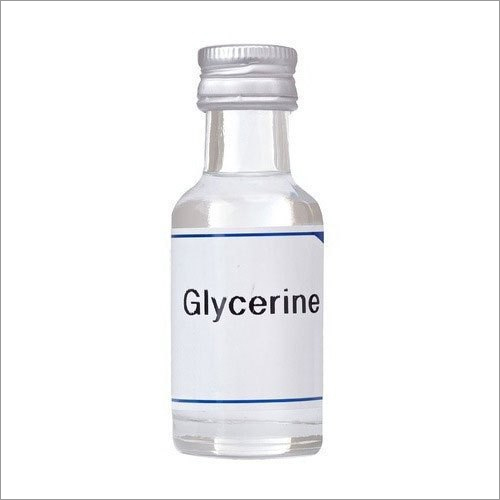
refined glycerin
Price 500.0 INR / Ton
Minimum Order Quantity : 20 Tons
Form : Other, Clear, viscous liquid
Solubility : Miscible with water, soluble in alcohol, insoluble in ether and chloroform
Grade : Other, USP/BP/EP/Food Grade
Storage : Other, Store in tightly closed containers in a cool, dry, wellventilated area away from heat and sources of ignition
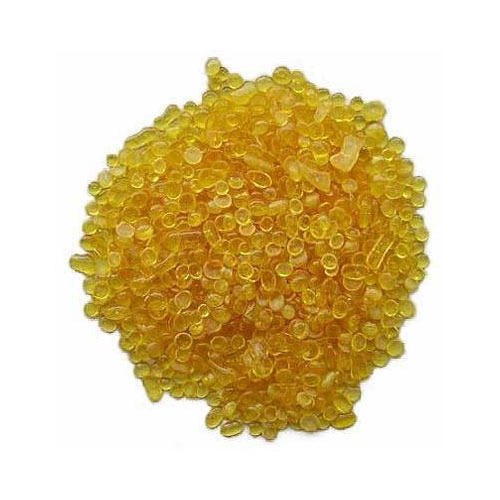
formaldehyde resin
Price 500.0 INR / Ton
Minimum Order Quantity : 20 Tons
Form : Other, Solid / Liquid
Solubility : Soluble in water, alcohol, and ether
Grade : Industrial Grade
Storage : Other, Store in cool, dry, wellventilated area
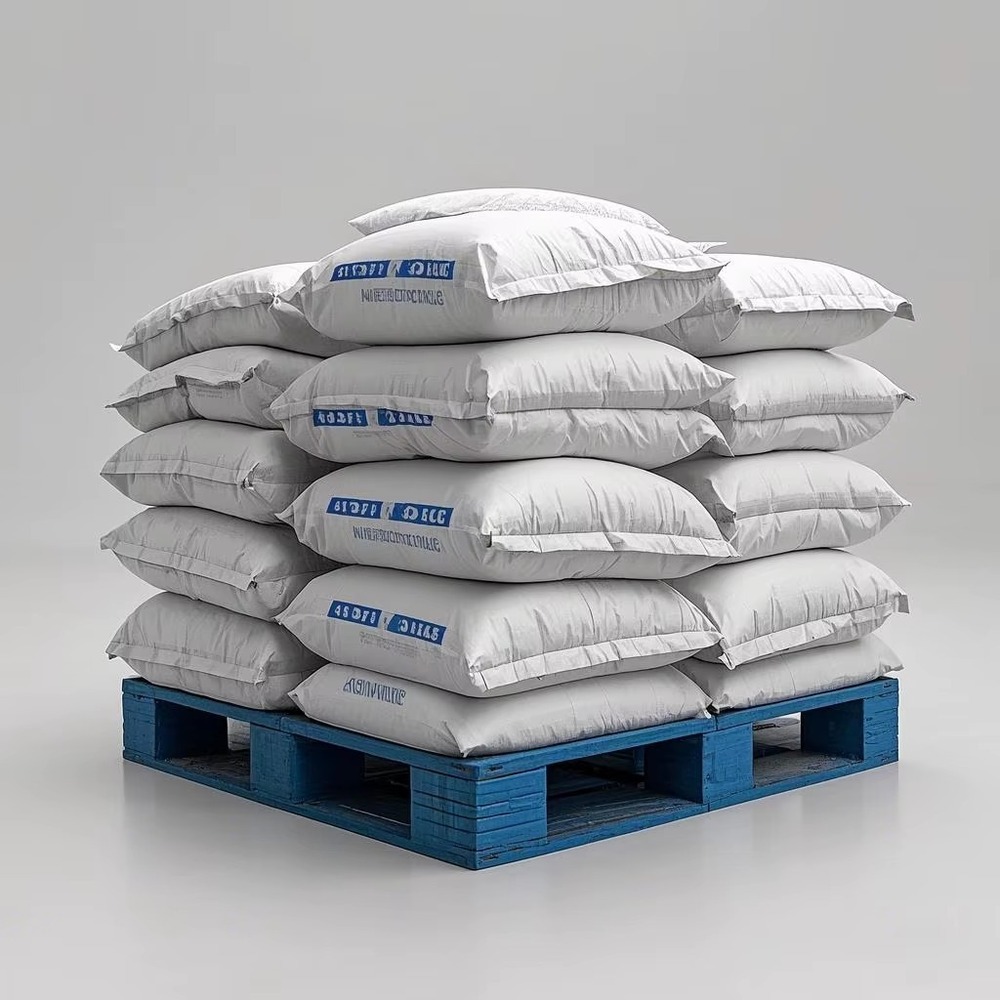
Potassium Hydroxide
Minimum Order Quantity : 100 Kilograms
Form : Powder
Solubility : in Water
Grade : Industrial Grade
Storage : Room Temperature

Contact Details
AGRO CHEMIC ENTERPRISE SDN BHD
- Sago-Link Sdn. Bhd. Address : Lot 51, Block 136, Sg. Nimo & Sg. Jabut, Mukah, Sarawak - 96400, Malaysia
 Send Inquiry
Developed and Managed by Infocom Network Private Limited.
